Your Club Has a History. But Do You Know What You've Got?
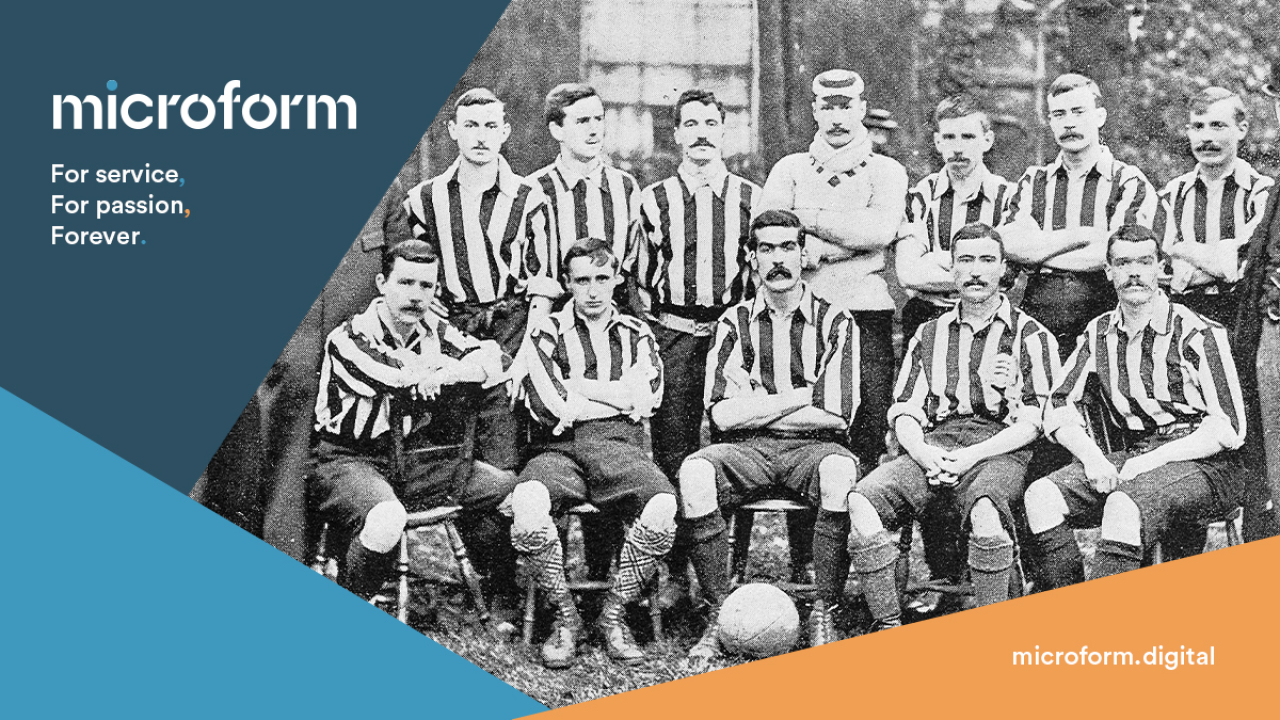
For many sports clubs, the archive exists in a fairly familiar form: a filing cabinet that nobody has opened in years, a collection of scrapbooks stacked in a back office, carrier bags of old photographs handed in by a former committee member, boxes of programmes that have moved from cupboard to cupboard without anyone quite knowing what to do with them.
It's not neglect. It's simply the reality of how sporting history accumulates. Things get kept because they feel important, even when there's no immediate plan for them. And over time, the pile grows.
If that sounds familiar, you're far from alone. And the good news is that an uncatalogued, unstructured archive is not a problem. It's a starting point.
Why Clubs Often Don't Know Where to Begin
The most common thing we hear from clubs approaching us for the first time isn't "we need our archive digitised." It's "we don't really know what we have."
That uncertainty can make the whole project feel overwhelming before it's even begun. If you can't describe your collection, how do you scope a project? How do you know what to prioritise? How do you justify the investment to your board?
These are fair questions, and they have practical answers. But the first step isn't having all the answers. It's simply deciding to take stock.
What an Uncatalogued Archive Actually Contains
In our experience, clubs that believe they have very little often discover they have rather a lot. A typical uncatalogued sporting archive might include:
Decades of match programmes and team sheets
Photograph collections spanning multiple eras, some labelled, many not
Administrative records, board minutes and correspondence
Scrapbooks compiled by players, officials or supporters
Trophies, medals and objects with attached paperwork
Newspaper cuttings, posters and promotional material
Audiovisual material including VHS tapes, slides or film reels
Not all of it will be in good condition. Some of it may be duplicated. Some will be more significant than others. But until it's assessed, you simply won't know what you're working with, and that uncertainty has a cost.
The Case for Getting It Sorted
Beyond preservation, a properly digitised and catalogued archive opens up opportunities that clubs often haven't considered.
Fan engagement and storytelling. Historic content performs exceptionally well across social media and digital platforms. A photograph from fifty years ago, a match programme from a cup run, a letter from a legendary manager: this material connects supporters to the club's identity in ways that contemporary content rarely can.
Commercial and licensing potential. Once digitised, your archive becomes a content library. Images can be licensed for publishing, used in merchandise, or featured in partnerships and sponsor activations. Material that's currently sitting in a box has real commercial value once it's accessible.
Anniversary and centenary campaigns. Clubs with milestone years approaching often find that their archive is the foundation of their commemorative activity. The earlier the digitisation work begins, the more options you have for how to use it.
Heritage funding. A number of funding streams support the preservation of sporting and community heritage. A digitised, structured collection significantly strengthens any application, and some funders require evidence of proper preservation practice as a condition of support.
What the Process Actually Looks Like
Working with an uncatalogued archive doesn't require you to have done the groundwork first. A good digitisation partner will help you assess what you have, identify priorities and build a project plan that reflects your timeline, budget and goals.
In practical terms, that typically means an initial conversation to understand your situation, followed by an assessment of the collection itself. From there, material can be prioritised, whether by age, condition, significance or relevance to an upcoming project, and digitisation can proceed in a structured way.
Capture can take place at your premises if moving the collection isn't feasible, or material can be transported securely to a specialist facility. Either way, chain of custody and careful handling are maintained throughout, with non-contact imaging systems used where material is fragile or at risk.
At the end of the process, you receive high-quality digital files in formats suitable for media, marketing and archival use, along with a structured, searchable record of your collection.
The Right Time to Start Is Usually Now
Archival material deteriorates. Photographs fade, paper becomes brittle, adhesives fail, and the people who can identify the faces in old images or explain the context behind a document become fewer over time. Every year that passes without action is a year in which the collection becomes slightly harder to work with and slightly less complete.
The clubs that tend to get the most from their archives are the ones that don't wait for the perfect moment. They start the conversation, take stock of what they have, and build from there.
If your archive is sitting in a cupboard waiting for someone to do something with it, that someone can be us.
Get in touch to arrange an initial conversation about your collection.